Osprey
The Rutland Water Osprey translocation
One of the most exciting and worthwhile projects with which we have been involved has been the translocation of young ospreys to Rutland Water from 1996, and the subsequent re-establishment of breeding ospreys in the English Midlands. This has completely changed osprey distribution in the UK and enhanced the potential for recolonisation. Two males released at Rutland Water then later started the recolonisation of Wales.
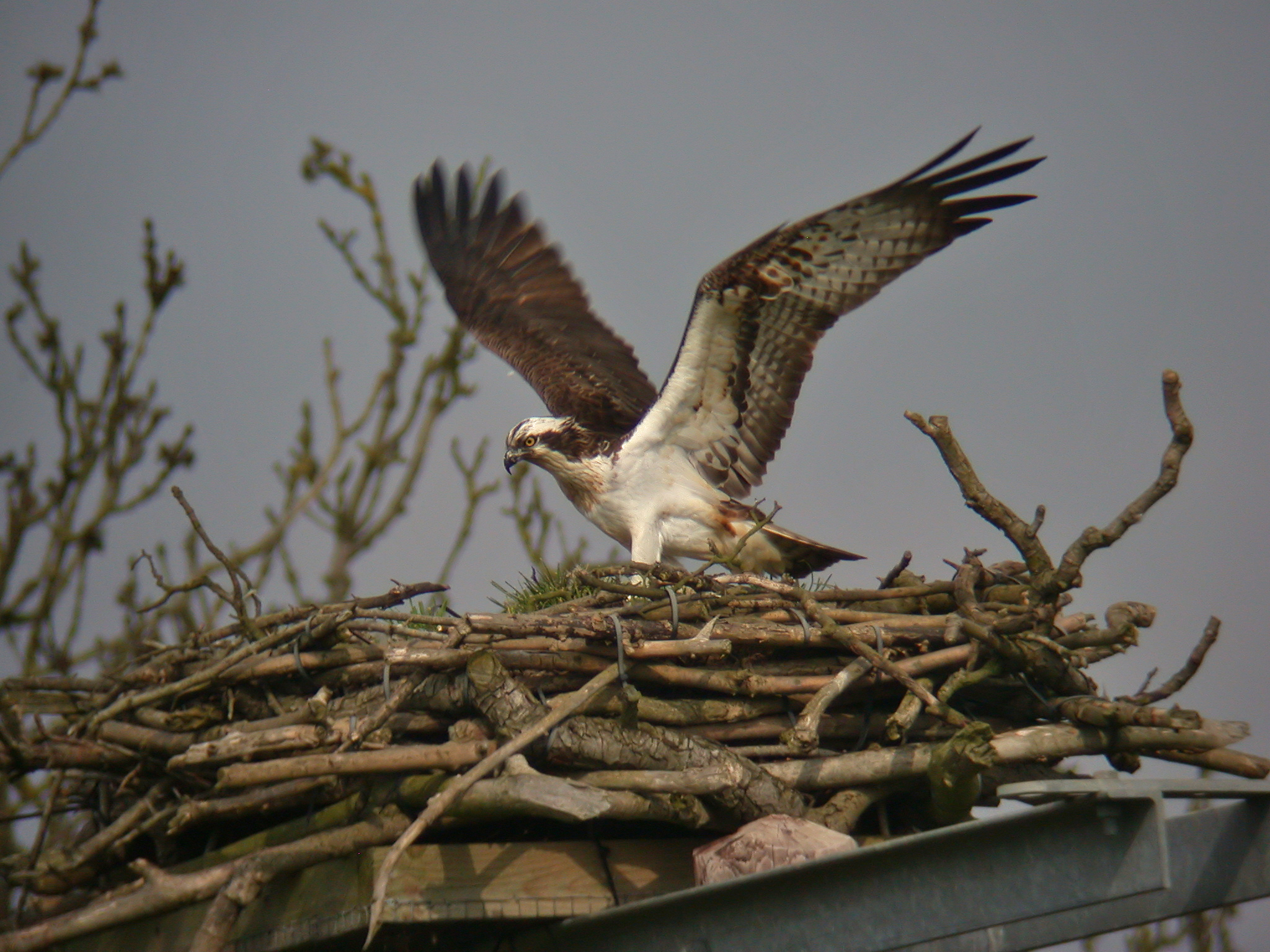
Image: John Wright
Rutland Water is a superb nature reserve, an artificial lake of 1255 hectares created in 1975 for water storage and supply, with a man-made nature reserve of 182 hectares managed by the Leicestershire and Rutland Wildlife Trust in partnership with owner Anglian Water. Migrant ospreys had been seen at the reserve since it was created, as it provides a rich supply of fish.
Since the project began in 1996, 278 Osprey chicks have fledged from successful breeding pairs around Rutland Water.
1995
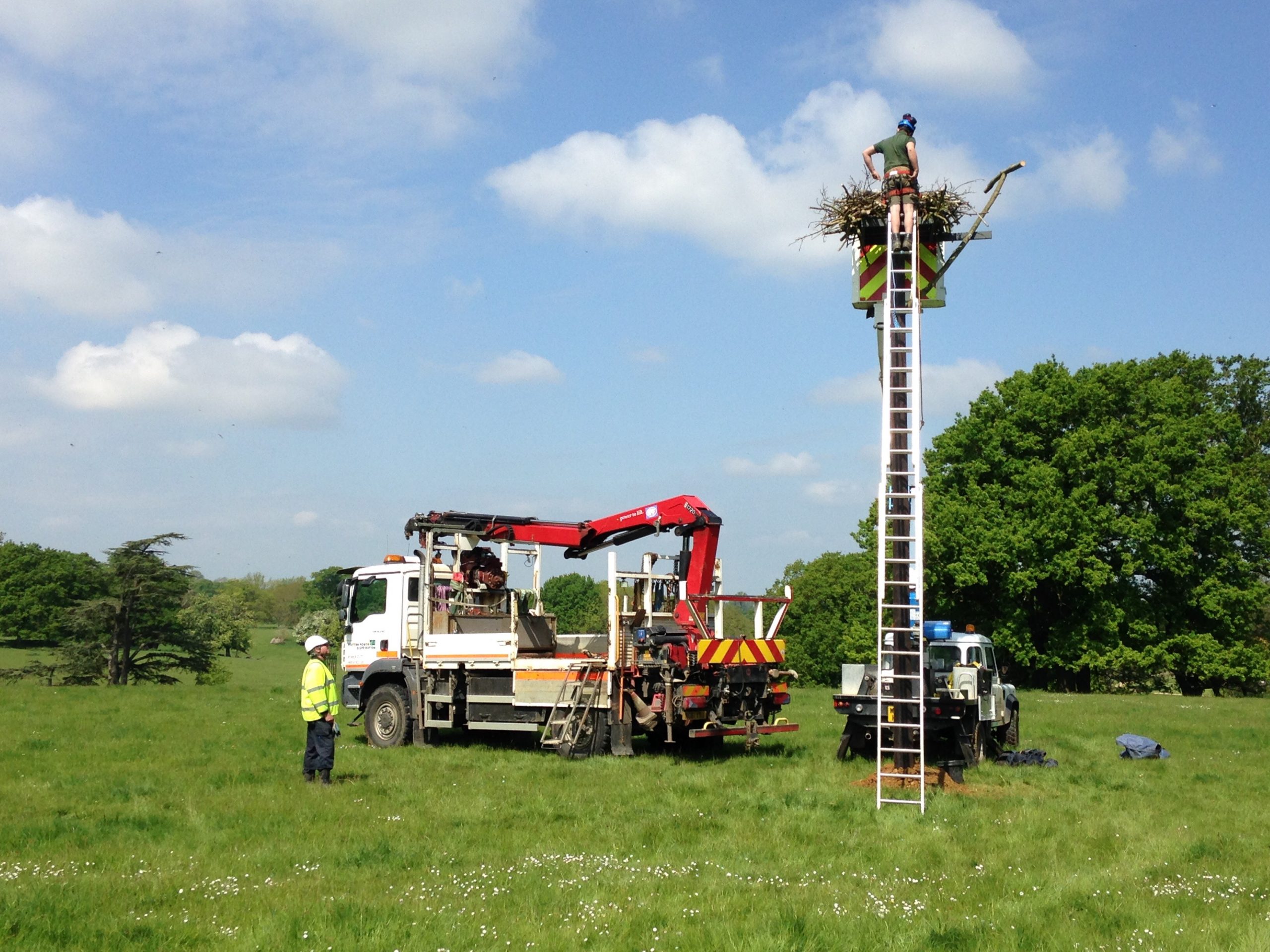
Roy Dennis helped Tim Appleton (Rutland Water) to erect 5 artificial eyries, built on platforms mounted on tall poles to encourage natural recolonisation, and drew up a formal proposal to relocate young ospreys from Scotland to Rutland Water
1996
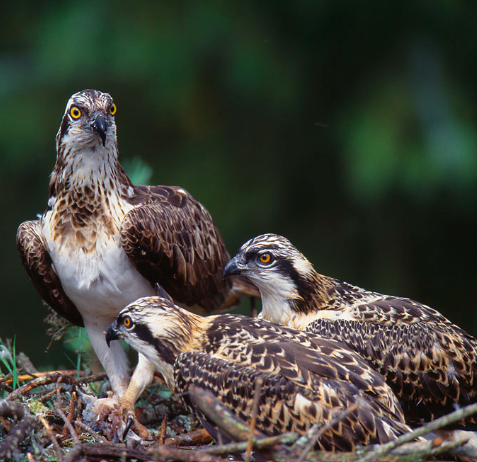
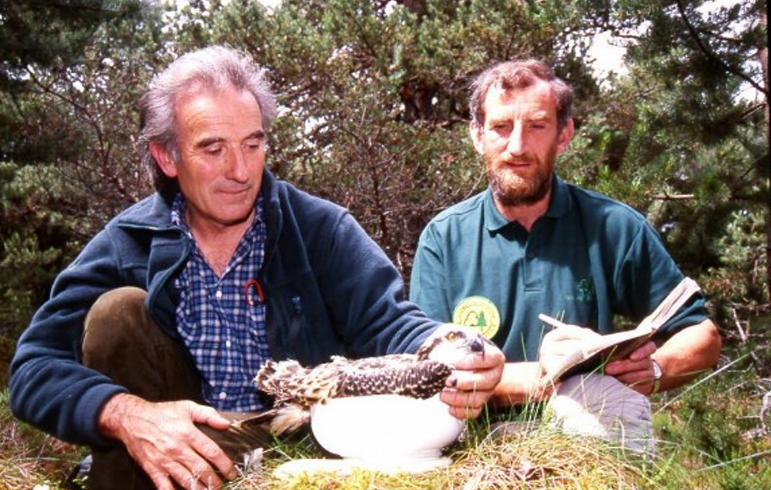
On 6th July 1996 the collection of chicks began. Single chicks were collected from broods of two or
three young and this continued for five years, with a total of 64 chicks in total relocated to Rutland
Water.
1999
May 29th 1999 was a momentous
day, as it saw the first return of a
chick reared at Rutland Water. Chick number 08, released in 1997, was back.
2001
one of the returning young males attracted a mate and produced chicks for the first time. This pair
successfully fledged a chick, the first to be bred in the southern half of England for at least 150 years.
2004
One of the males released at
Rutland Water was found to have
successfully bred in Wales
2007
The Manton Bay nest was first occupied
2010
Female Osprey ‘Maya’ arrives and pairs up with a male Osprey, 5R(04) which was holding territory at the Manton Bay nest, and they successfully raised three chicks. Maya still breeds every year at Manton Bay
2025
278 chicks have fledged from wild breeding pairs at Rutland Water since 1996