BEAVER IN THE UK
Beaver – the question of reintroduction to England, Scotland and Wales.
The Foundation strongly believes that Beaver populations should be recovered throughout the UK, and has strongly campaigned for the reintroduction of the species, particularly in Scotland, over the last thirty years.
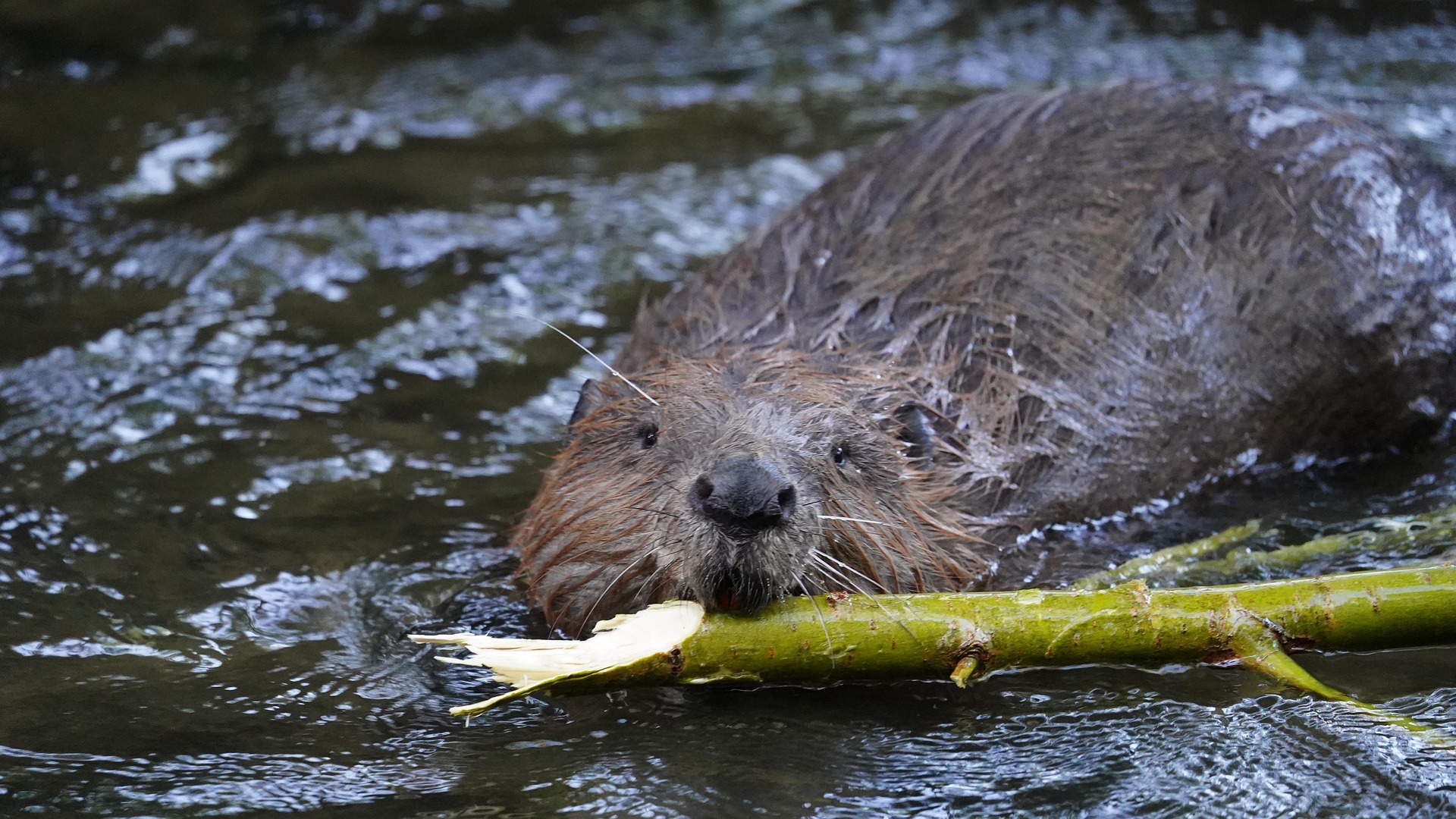
Beavers are the largest native European rodent. European beavers measure 70-100cm in length and weigh 25-30kg. They have a long, flattened tail which is used as a rudder, and webbed feet used for propulsion. The thick brown coat is waterproof. They have two orange front teeth that stick out beneath the upper lip.
habitat and distribution
Beavers are semi-aquatic mammals. They generally inhabit lowland riparian broad-leafed woodland bordering slow-moving streams or static ponds, but are also found at higher altitude on wooded mountain plateaus. They dig burrows in river banks or, where not possible, build a structure known as a lodge, in which they live and raise young. Beavers dam water bodies to create ponds, although European beavers build fewer dams than their American counterparts. The beaver is now present throughout much of Europe but the UK remains one of the only countries of its former range to which
it has not been reintroduced.
reproduction
Beavers are semi-aquatic mammals. They generally inhabit lowland riparian broad-leafed woodland bordering slow-moving streams or static ponds, but are also found at higher altitude on wooded mountain plateaus. They dig burrows in river banks or, where not possible, build a structure known as a lodge, in which they live and raise young. Beavers dam water bodies to create ponds, although European beavers build fewer dams than their American counterparts. The beaver is now present throughout much of Europe but the UK remains one of the only countries of its former range to which
it has not been reintroduced.
Status and threats
The Eurasian beaver is classified by the IUCN as ‘Least Concern’. Historically it was heavily hunted
and driven to extinction in many parts of its range, but it has now recovered or been reintroduced to most of its former range and these populations are generally stable or increasing. Through introductions in the UK, Beaver populations are now increasing in England.
Why do ecosystems need Beavers?
The beaver is what is known as a keystone species, meaning that it is integral to the healthy functioning of the ecosystem in which it lives, and the other species which live there.
Ecosystem engineers
Beavers coppice and fell trees, creating open areas for new growth and increasing canopy diversity.
wetland regeneration
They dam water systems to create new wetland areas, resulting in improved habitat.
returning species
The introduction of beavers into a new area can result in the arrival or increase of a whole range of other species, including dragonflies, kingfishers, herons, numerous other birds, fish, frogs, water voles, water shrews and even otters
Improved water quality
Additionally, they improve water quality and reduce siltation.
the archives: 2009
Beavers in Scotland
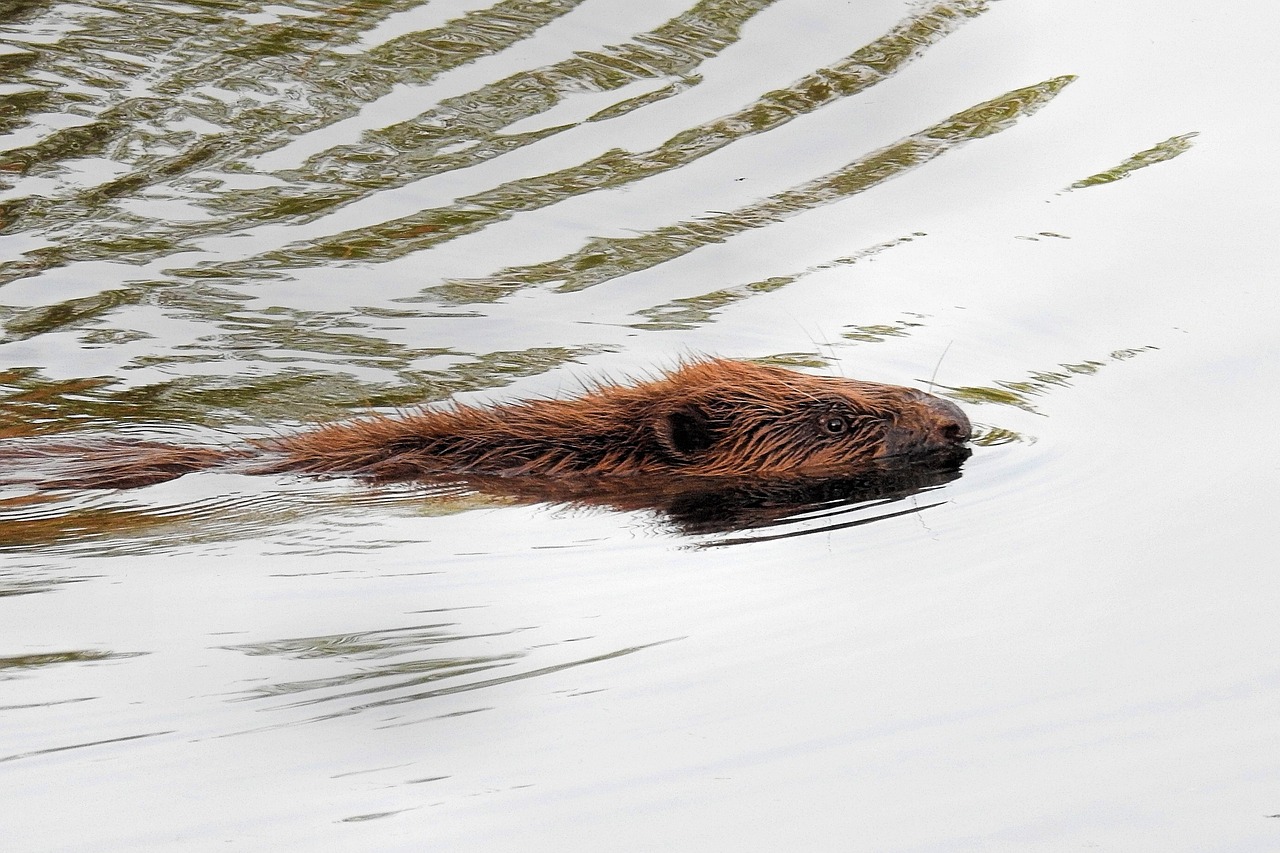
2009 was a landmark year for Scottish wildlife conservation, as it saw the beginning of the official Scottish Beaver Trial. Roy Dennis has been one of the leaders of the campaign to reintroduce beavers to Scotland for over 20 years – the process first started in the mid 1990s when he was on
the Main Board of Scottish Natural Heritage. HFW campaigned for beaver reintroduction and set up the informal group of beaver supporters which set up a public website explaining the importance of restoring beavers to Scotland.
the archives
Beavers in England
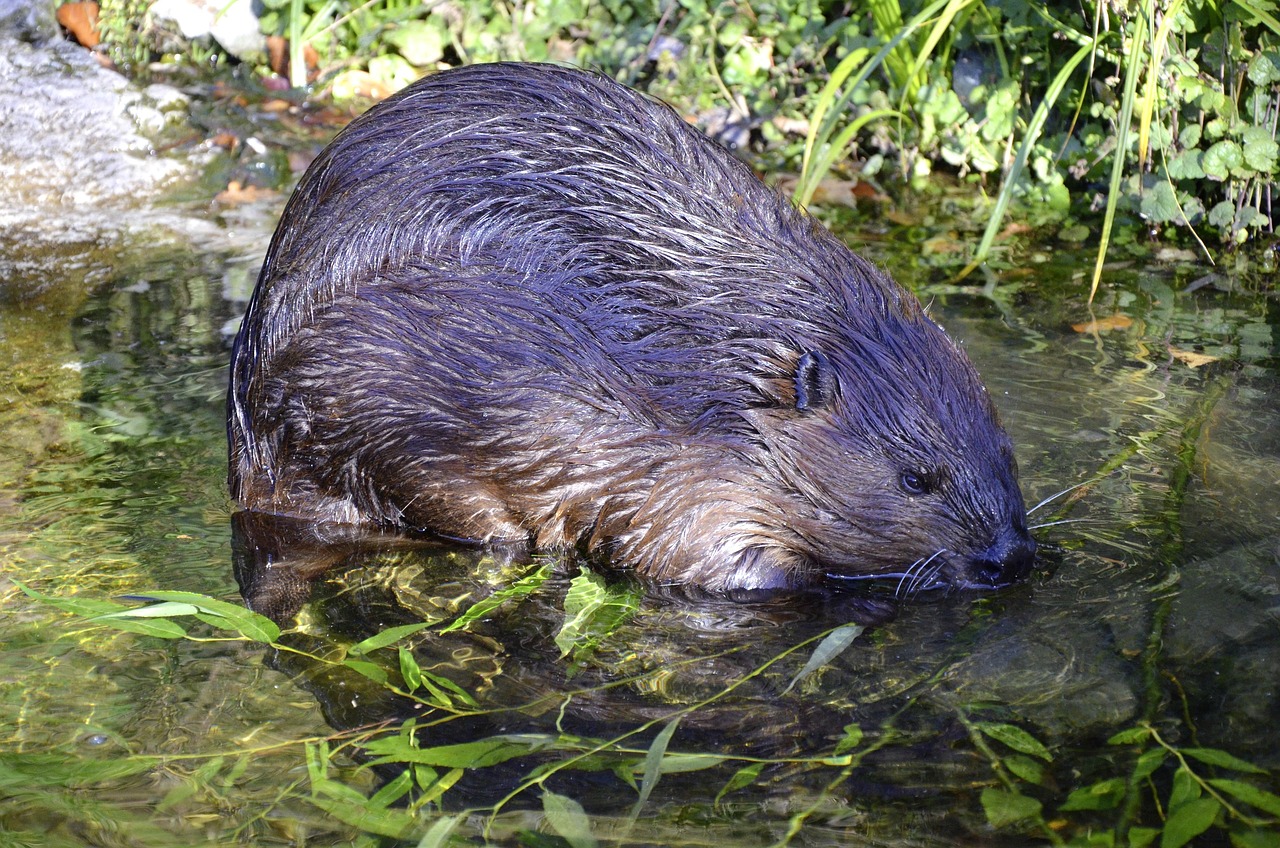
There is significant interest in reintroducing beavers to parts of the UK other than Scotland, and Derek Gow in North Devon has been the main champion for reintroduction. He has been an associate of the Foundation for many years on beaver reintroduction and we strongly support his
work, which has involved surveys, feasibilities studies, public discussions and the arranging of study tours to mainland Europe beaver sites. Trial releases in enclosed areas have been carried out in both England and Wales to demonstrate ecological restoration processes, and in 2025 the first Natural England licenses for release were issued.